
New central air
AC Installation and Replacement in Johns Creek
First an honest word on whether to fix or replace. If it is time, a system picked for your house and installed with care.
Buy It Once and Buy It Right
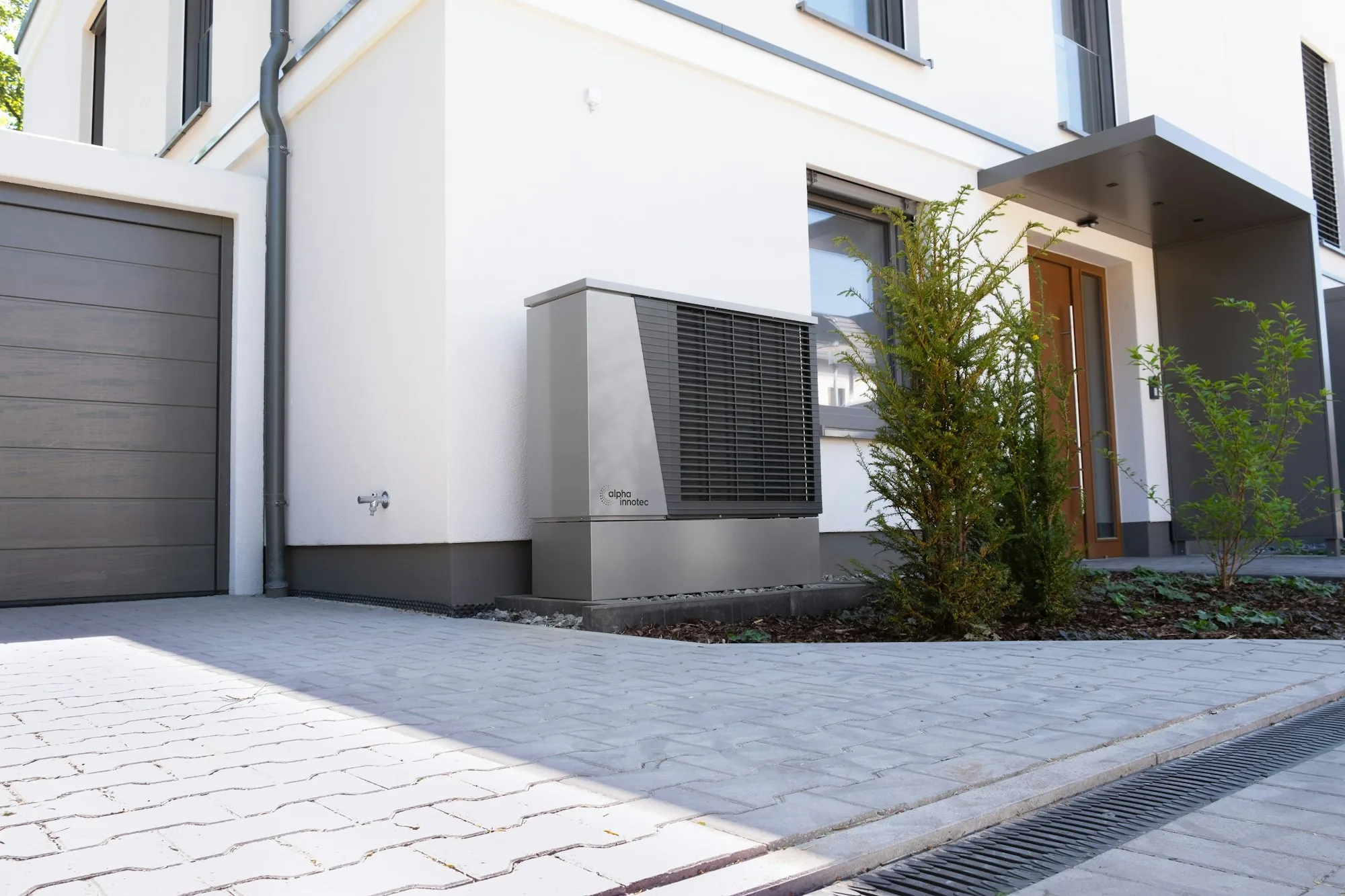
Nobody wakes up excited to shop for an air conditioner. So when the day comes, the new one ought to be a good fit and put in properly. We start by looking hard at what you have. How old is it? How often has a tech been out lately? Do the upstairs rooms stay comfortable through August? Has the power bill been climbing with no change in how you live? If one more repair is the smarter money, you will hear that from us. If not, we work out what your house needs. Square footage is only the opening number: attic insulation, window area, which way the house faces, ceiling heights and the size and shape of the ductwork all change the answer. Go too big and the unit blasts cold, shuts off before it wrings the humidity out and leaves rooms clammy. Go too small and it runs all afternoon and still loses ground. SEER2 ratings matter, yet a high rating paired with sloppy sizing or a rushed install throws much of it away. So the indoor coil gets paired with the condenser, the copper lines get replaced or cleaned, drain and wiring get done right, a permit gets pulled where the city or Fulton County calls for one and the system gets a full startup test.
What a Replacement Includes
No two houses get the identical plan. Still, almost every replacement we do involves the following.
Fix-or-replace talk
Age, past repairs, comfort and power use looked at together, with both routes priced side by side.
Load math for your house
Sizing worked out from the home itself and a check of the ducts, before a single model is picked.
Paired indoor coil
The coil inside chosen to work with the condenser outside, so the pair delivers what it is rated for.
Copper lines and condensate
Lines swapped or flushed, and the drain run with proper fall plus a float switch.
Wiring and disconnect
Breaker, disconnect box and wiring checked or upgraded to suit the new equipment.
Permit on file
Permit filed when the city or county wants one, and the inspection booked.
Startup and cleanup
Charge, airflow and temperature split confirmed at startup, and the retired unit carted off.
From Old Unit to New System
Walk-through
We look over the current setup, the ductwork and the house, and ask what you want more of: quiet, even rooms, lower running cost.
Choices with prices
A few options at different efficiency levels, each priced, each with the honest pros and cons.
Install day
Tarps down, old unit out, new one set, connected, sealed. We clean up as the job moves along.
Test and paperwork
Every reading checked with the system running, and we help you register the equipment with its maker.
Why Homeowners Choose Us for a New System
Parts protection
Your new equipment comes with 10-year parts coverage after it is registered with the manufacturer, and we go through the registration with you before we pack up.
Labor protection
We back our install work with a 2-year labor warranty. If something we put in needs attention in that span, the labor is ours to cover.
Fitted, not copied
We never just match the size of the old box. The new unit suits the house you live in today.
- Sized for your home
- Paired coil
- Permit pulled
- Old unit carted off
Time to Retire the Old Condenser?
Share how old your unit is and what it has been up to. You will get an honest take on patching it versus starting fresh.